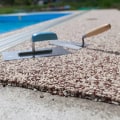
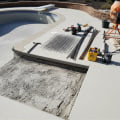
Maintaining a pool deck is not just about aesthetics; it plays a crucial role in ensuring safety and longevity. A well-kept pool deck enhances the overall appeal of your outdoor space, making it a welcoming area for family and friends. However, neglecting pool deck maintenance can lead to significant issues that compromise both safety and enjoyment. Cracks, uneven surfaces, and discoloration are not merely cosmetic concerns; they can pose serious hazards, especially when wet. Regular pool deck repair is essential to prevent minor issues from escalating into costly repairs.
For instance, small cracks can allow water to seep beneath the surface, leading to further deterioration and potential structural damage. By addressing these signs early on, homeowners can save money in the long run while ensuring a safe environment for swimmers and sunbathers alike. Moreover, a neglected pool deck can detract from the overall experience of owning a pool. An inviting and well-maintained deck encourages more outdoor activities and gatherings, enhancing your lifestyle. Therefore, understanding the importance of pool deck safety and maintenance is vital for any pool owner.
In the following sections, we will explore the common signs that indicate your pool deck may need repair, helping you keep your outdoor oasis in top condition.
Common Signs of Pool Deck Damage
Recognizing the signs of pool deck damage is crucial for maintaining the safety and aesthetics of your outdoor space. Here are some common indicators that your pool deck may need repair:- Cracks: One of the most obvious signs of damage is the presence of cracks. These can range from small hairline fractures to larger, more serious splits. Cracks not only detract from the visual appeal of your pool area but can also pose safety hazards, as they may lead to tripping or further structural issues if left unaddressed.
- Discoloration: If you notice uneven coloring or fading on your pool deck, it may indicate underlying problems.
Discoloration can result from prolonged exposure to sunlight, chemicals, or moisture. This not only affects the look of your deck but can also signal deterioration of the materials used.
- Uneven Surfaces: A level pool deck is essential for both safety and functionality. If you find that certain areas are sinking or lifting, this could be a sign of poor drainage or soil erosion beneath the surface.
Uneven surfaces
can lead to water pooling, which increases the risk of slips and falls. - Chipping and Peeling: Over time, the surface of your pool deck may begin to chip or peel, especially if it has been subjected to harsh weather conditions or improper maintenance.
This not only affects the appearance but can also expose the underlying materials to further damage.
Cracks and Surface Damage: What to Look For
When it comes to pool deck repair, one of the most critical aspects to monitor is the presence of cracks and other forms of surface damage. These issues can not only detract from the aesthetic appeal of your pool area but can also pose safety hazards. Here’s how to identify and assess these problems.Types of Cracks:
- Hairline Cracks: These are very thin cracks that may not seem serious at first glance. However, they can allow water to seep into the underlying structure, leading to more significant damage over time.
- Structural Cracks: Wider and deeper than hairline cracks, structural cracks indicate a more severe issue, often related to settling or shifting ground.
These should be addressed immediately to prevent further deterioration.
- Spalling: This occurs when the surface layer of the concrete begins to flake or peel away. Spalling can be caused by freeze-thaw cycles or poor-quality materials.
Signs of Surface Damage:
- Discoloration: Fading or dark spots on your pool deck can indicate moisture retention or mold growth, which can weaken the surface.
- Uneven Surfaces: If you notice areas that feel uneven or bumpy, this could be a sign of underlying issues that need attention.
- Pitting: Small holes or indentations in the surface can develop over time due to wear and tear, making the deck less safe for walking.
Assessing Severity:
To determine the severity of the cracks and surface damage, consider the following steps:
- Visual Inspection: Regularly inspect your pool deck for any visible signs of damage. Look for cracks, discoloration, and uneven surfaces.
- Measure Cracks: Use a ruler to measure the width and depth of any cracks. If they exceed 1/4 inch in width, it’s time to consult a professional.
- Check for Moisture: After heavy rain, check if water pools in certain areas.
This could indicate drainage issues that exacerbate existing damage.
Discoloration and Stains: Causes and Solutions
Discoloration and stains on your pool deck can be unsightly and may indicate underlying issues that require pool deck repair. Understanding the causes of these problems is essential for effective maintenance and restoration.Common Causes of Discoloration
- Algae Growth: Warm, moist environments are ideal for algae to thrive.
If your pool deck is frequently shaded or not properly cleaned, you may notice green or black stains.
- Chemical Exposure: Pool chemicals, especially chlorine, can lead to discoloration over time. If not balanced correctly, these chemicals can cause fading or staining on the surface.
- Sun Damage: Prolonged exposure to UV rays can cause fading in certain materials, particularly in colored concrete or painted surfaces.
- Rust Stains: Metal furniture or fixtures near the pool can rust and leave unsightly stains on the deck.
Solutions for Cleaning and Restoring Your Pool Deck
Addressing discoloration and stains promptly can prevent further damage and maintain the aesthetic appeal of your pool area. Here are some effective solutions:- Regular Cleaning: Use a pressure washer or a stiff-bristled brush with a mild detergent to remove dirt, algae, and chemical residues. This should be done at least once a month during the swimming season.
- Algae Treatment: For persistent algae growth, consider using specialized algae removers that are safe for your deck material.
Follow the manufacturer's instructions for best results.
- Stain Removal Products: For rust or chemical stains, look for commercial stain removers designed specifically for pool decks. Always test a small area first to ensure compatibility with your surface.
- Sealing: After cleaning, applying a sealant can help protect your pool deck from future stains and discoloration. Choose a sealant that is appropriate for your deck material.
Uneven Surfaces: Risks and Remedies
Uneven surfaces on a pool deck can pose significant risks, not only to the aesthetic appeal of your outdoor space but also to the safety of those using it.Tripping hazards
are one of the most common issues associated with an uneven pool deck, which can lead to serious injuries, especially for children and elderly individuals.Identifying uneven areas is crucial for maintaining a safe environment.Look for:
- Cracks or gaps in the surface that disrupt the levelness.
- Sunken spots where water may accumulate, creating slippery conditions.
- Raised edges that can catch a foot unexpectedly.
- Resurfacing: This method involves applying a new layer of material over the existing surface to create a smooth finish.
- Patching: For minor cracks and holes, using a patching compound can restore the integrity of the surface.
- Re-leveling: In cases where the deck has significantly settled, professional re-leveling may be necessary to ensure a safe and even surface.
Water Drainage Issues: Identifying Problems Early
Water drainage issues are a common yet often overlooked problem that can significantly impact the integrity of your pool deck.Identifying these problems early can save you from costly repairs down the line. Here are some signs to watch for:
- Water pooling on the pool deck: If you notice puddles forming on your pool deck after rain or when the pool is in use, this is a clear indication of drainage issues. Water should ideally flow away from the pool area, not collect around it.
- Cracks and surface damage: Excess water can lead to erosion and cracking in the deck surface. If you see cracks developing, especially near areas where water tends to accumulate, it’s time to investigate further.
- Slippery surfaces: Standing water can create slippery conditions, posing a safety hazard.
If your pool deck feels slick or dangerous, it may be due to inadequate drainage.
- Vegetation growth: Unwanted plants or algae growth on your pool deck can indicate persistent moisture issues. This not only detracts from the aesthetic appeal but can also lead to further structural damage.
- Install proper drainage systems: French drains or channel drains can effectively redirect water away from your pool deck.
- Regrade the area: Adjusting the slope of your yard can help ensure that water flows away from the pool.
- Seal cracks and joints: Regular maintenance, including sealing any cracks, can prevent water from seeping into vulnerable areas.
The Role of Weather in Pool Deck Deterioration
Weather plays a significant role in the deterioration of a pool deck. Various environmental factors can lead to visible damage, making it essential for homeowners to understand how to protect their investment.Effects of Different Weather Conditions:
- Sun Exposure: Prolonged exposure to UV rays can cause fading and cracking in pool deck materials, especially if they are not treated with protective sealants.
- Rain and Moisture: Excessive moisture can lead to mold and mildew growth, as well as erosion of the deck surface.
Water pooling can also weaken the structural integrity over time.
- Temperature Fluctuations: Rapid changes in temperature can cause materials to expand and contract, leading to cracks and other forms of damage.
- Snow and Ice: In colder climates, snow and ice can create a hazardous environment. The freeze-thaw cycle can exacerbate cracks and cause further deterioration.
Preventative Measures:
- Regular Inspections: Conduct routine checks for cracks, discoloration, or any signs of wear. Early detection can prevent more extensive repairs.
- Sealant Application: Applying a high-quality sealant can protect your pool deck from UV rays and moisture. Reapply every few years for optimal protection.
- Proper Drainage: Ensure that your pool deck has adequate drainage to prevent water accumulation.
This can help mitigate moisture-related issues.
- Winterization: In colder regions, consider winterizing your pool deck by clearing snow promptly and using ice melt products that are safe for your deck material.
When to Call a Professional for Pool Deck Repair
Determining when to seek professional pool deck repair services can be crucial for maintaining the safety and aesthetics of your outdoor space. While some minor issues may be manageable with DIY solutions, there are specific scenarios where hiring a contractor is not just advisable but necessary.- Extensive Cracking: If you notice large cracks or multiple fissures in your pool deck, it’s a sign that the underlying structure may be compromised. These issues often require specialized tools and materials that only professionals possess.
- Uneven Surfaces: A pool deck that has become uneven can pose serious safety risks, especially for children and elderly individuals.
If leveling the surface is beyond your skill set, it’s time to call in an expert.
- Water Damage: Persistent water pooling or drainage issues can lead to significant damage over time. If you find that water is not draining properly or if you see signs of mold or mildew, a professional can assess the situation and recommend appropriate repairs.
- Structural Issues: If your pool deck is sinking or shifting, this could indicate serious structural problems. Professionals can evaluate the foundation and provide solutions that ensure long-term stability.
- Complex Repairs: Some repairs, such as resurfacing or replacing large sections of the deck, require expertise and experience. If the job seems too complex or beyond your capabilities, hiring a contractor is the best course of action.
If you encounter any of the above signs, don’t hesitate to reach out to a qualified contractor who can provide the necessary expertise and resources.
Frequently Asked Questions About Pool Deck Repair
When it comes to pool deck repair, many homeowners have questions about the signs that indicate their pool deck may need attention. Here are some frequently asked questions that can help clarify common concerns:What are the signs that my pool deck needs repair?
Several indicators can suggest that your pool deck requires repair:- Cracks: Small cracks can develop over time due to weather changes or settling. If they widen or deepen, it’s a sign that repair is necessary.
- Uneven surfaces: If you notice any areas that are uneven or have settled, this can lead to safety hazards and should be addressed promptly.
- Discoloration: Fading or discoloration can indicate wear and tear, which may require resurfacing or sealing.
- Pitting or flaking: These issues often arise from poor installation or aging materials, necessitating repair to prevent further damage.
How often should I maintain my pool deck?
Regular maintenance is key to prolonging the life of your pool deck. Here are some tips:- Clean regularly: Remove debris and clean the surface to prevent mold and mildew buildup.
- Inspect for damage: Conduct seasonal inspections to catch any issues early before they escalate.
- Seal the surface: Depending on the material, resealing every few years can protect against water damage and UV rays.
Can I repair my pool deck myself?
While some minor repairs can be handled by homeowners, such as filling small cracks or cleaning, larger issues may require professional assistance.It’s essential to assess your skill level and the extent of the damage before deciding on a DIY approach.If you’re unsure about the condition of your pool deck or need assistance with pool deck repair, consulting with a professional can provide peace of mind and ensure that repairs are done correctly.
Conclusion: Ensuring Your Pool Deck Remains Safe and Inviting
In conclusion, recognizing the common signs that indicate your pool deck needs repair is crucial for maintaining a safe and inviting environment around your swimming area. As we have discussed, issues such as cracks, uneven surfaces, and discoloration can not only detract from the aesthetic appeal of your pool area but also pose significant safety risks. Timely repairs are essential to prevent further damage and ensure the longevity of your pool deck. Ignoring minor issues can lead to more extensive and costly repairs down the line. Regular maintenance checks can help you identify potential problems early on, allowing for prompt action.- Cracks: Small cracks can quickly escalate into larger fissures if not addressed.
- Uneven Surfaces: Trip hazards from uneven surfaces can lead to accidents.
- Discoloration: Fading or discoloration may indicate underlying issues with the material.
Regular inspections and maintenance will go a long way in preserving the integrity of your pool deck, allowing you to enjoy your pool area for years to come.